


armor of God
The 7 Pieces of the Armor of God, Explained
Belt, breastplate, shield, sword: here are the 7 pieces of the armor of God in Ephesians 6, explained simply, with the verse for each and how to wear it.
The seven pieces of the armor of God, in Ephesians 6:14-18, are the belt of truth, the breastplate of righteousness, the shoes of the gospel of peace, the shield of faith, the helmet of salvation, the sword of the Spirit, and prayer. Together they are how Paul says a Christian stands firm against evil.
Most of us picture a medieval knight when we hear "armor of God." Paul had something grittier in mind. He wrote these words from a prison cell, and he was most likely chained to a Roman soldier while he did it. The full battle kit was right in front of him, so he borrowed it to explain something invisible: how you hold your ground when the pressure to compromise, quit, or believe a lie comes at you.
What is the armor of God?
The armor of God is a picture Paul paints near the end of his letter to the church in Ephesus. It is not literal gear and it is not a magic formula. It is how he describes the resources God gives every believer to stand firm in spiritual conflict. The passage opens with a command:
"Put on the full armor of God, so that you can take your stand against the devil's schemes." (Ephesians 6:11, NIV)
Then Paul names who the real fight is actually with, and it is not the people who frustrate us:
"For our struggle is not against flesh and blood, but against the rulers, against the authorities, against the powers of this dark world and against the spiritual forces of evil in the heavenly realms." (Ephesians 6:12, NIV)
Notice the goal. Paul never tells us to charge, conquer, or take territory. Four times in this short passage he says one word: stand. The armor is defensive, for holding the ground God has already given you. For the whole passage from the top, see our complete guide to the armor of God, then come back here for the breakdown piece by piece.
What are the 7 pieces of the armor of God?
Paul lists six items of a soldier's kit, then adds prayer in the same breath. Here is the quick version before we walk each one.
| Piece | Verse | What it stands for |
|---|---|---|
| Belt of truth | Ephesians 6:14 | Living and believing what is true |
| Breastplate of righteousness | Ephesians 6:14 | Right standing with God that guards the heart |
| Shoes of the gospel of peace | Ephesians 6:15 | Stable footing and readiness from the good news |
| Shield of faith | Ephesians 6:16 | Trust that stops the enemy's attacks |
| Helmet of salvation | Ephesians 6:17 | Assurance that guards the mind |
| Sword of the Spirit | Ephesians 6:17 | The word of God, the one offensive weapon |
| Prayer | Ephesians 6:18 | Staying connected to God in everything |
1. The belt of truth (Ephesians 6:14)
"Stand firm then, with the belt of truth buckled around your waist..." (Ephesians 6:14, NIV)
A Roman soldier's belt was not decoration. It cinched the tunic and held the scabbard so he could move. Truth holds your life together the same way. The modern version is simple and hard: choose what is true over what is flattering, stay honest about your own heart, and anchor to God's word instead of the loudest voice in your feed.
2. The breastplate of righteousness (Ephesians 6:14)
"...with the breastplate of righteousness in place." (Ephesians 6:14, NIV)
The breastplate guarded the chest, the heart. Righteousness here carries two layers: the right standing Christ gives you that you could never earn, and the daily choice to live cleanly in line with it. When the enemy accuses you (and he will), you do not stand on your own record. You stand on what Jesus did, then back it up by living it. A life that matches your faith leaves the accuser less to work with.
3. The shoes of the gospel of peace (Ephesians 6:15)
"and with your feet fitted with the readiness that comes from the gospel of peace." (Ephesians 6:15, NIV)
Roman soldiers wore studded sandals for grip. Peace with God gives you that footing when everything else is shaking. And read the word again: readiness. The gospel of peace is not only something you stand in, it is something you carry to other people.
4. The shield of faith (Ephesians 6:16)
"In addition to all this, take up the shield of faith, with which you can extinguish all the flaming arrows of the evil one." (Ephesians 6:16, NIV)
The shield Paul pictures is the door-shaped Roman scutum, big enough to hide behind and built so soldiers could lock theirs together in a wall. Faith is not a feeling here. It is trusting God's character when doubt, fear, and temptation come in like flaming arrows meant to land and spread. Faith catches them before they catch fire in you. And the locked shields say it plainly: you were never meant to hold the line alone.
5. The helmet of salvation (Ephesians 6:17)
"Take the helmet of salvation..." (Ephesians 6:17, NIV)
The helmet guards the head, which means it guards the mind. Paul makes a similar move in 1 Thessalonians 5:8, where the hope of salvation is the helmet. Knowing you are saved, settled, and held protects your thinking from two of the enemy's favorite attacks: despair ("it's hopeless") and the lie that you are not good enough for God, which is exactly the lie your identity in Christ answers. Salvation is not something you re-earn each morning, and when that truth sits firmly in your head, the spiral has far less room to run.
6. The sword of the Spirit (Ephesians 6:17)
"...and the sword of the Spirit, which is the word of God." (Ephesians 6:17, NIV)
This is the only offensive weapon in the kit. Paul says the sword is the word of God, and the Greek word for "word" here is rhema, a spoken word, the truth you say out loud in the moment. Jesus modeled it in the wilderness, answering every temptation not with argument but with Scripture: "It is written." That only works if you know the Bible well enough to reach for it under pressure, which is reason enough to learn how to study the Bible for yourself. A sword left in the drawer never stopped anything.
7. Prayer (Ephesians 6:18)
"And pray in the Spirit on all occasions with all kinds of prayers and requests. With this in mind, be alert and always keep on praying for all the Lord's people." (Ephesians 6:18, NIV)
Paul never gives prayer a metal-and-leather name, but he drops it into the same sentence as the armor, tied directly to standing firm. Armor with no line to your commander is dead weight. Prayer is how you keep using every other piece, on all occasions, alert, and for other people and not only yourself. It is the engine behind any real habit of putting on the armor of God day after day, and our guide on how to pray the armor of God turns each piece into words you can say.
Are there 6 or 7 pieces of the armor of God?
Both counts are right, depending on how you read the passage. Six items get a clear body-part picture: belt, breastplate, shoes, shield, helmet, and sword. Paul then adds prayer in verse 18 without giving it the same kind of name, so some teachers count six and others count seven. If you came here searching for the seven pieces, prayer is the seventh, and it might be the one that holds the other six together. The armor of God overview walks the full passage verse by verse.
How do you put on the armor of God every day?
Putting on the armor is less of a ritual and more of a habit. Most people who do it well pray through the pieces each morning: thank God for the truth, ask for a clean conscience, hand Him the day's fears, and open the Bible to keep the sword sharp. The point is not the perfect words; it is starting the day leaning on God instead of yourself. We broke the rhythm down step by step in our guide on how to put on the armor of God, and you can pair it with a short routine for praying the armor of God when you need the words.
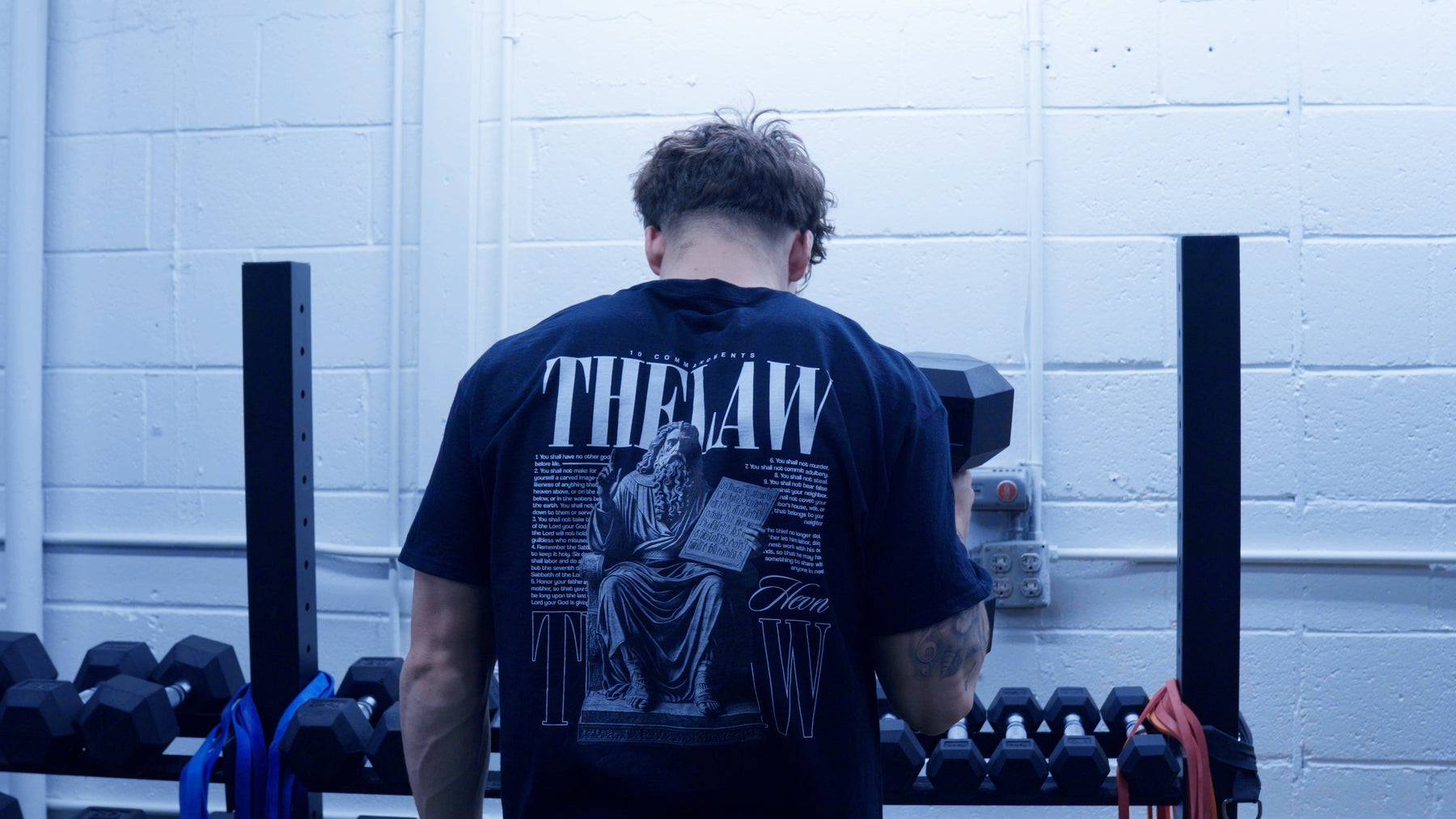
One thing that helps the habit stick is a reminder you cannot ignore. It is easy to suit up in your head at 7am and forget the whole thing by lunch, and a verse you see and wear keeps the picture in front of you all day. That is the idea behind the ARMOR tee, which carries Ephesians 6:11 across the chest: "Put on the full armor of God, so that you can take your stand against the devil's schemes." It is a small nudge to actually stand firm, and because people ask about the words, it turns a normal day into a chance to wear it to share it. A portion of the proceeds goes to ministry, so the reminder does a little good on its way out too. You will find it alongside the rest of our bible verse t-shirts if scripture you can wear is your thing.
Frequently Asked Questions
What are the 7 pieces of the armor of God?
The 7 pieces come from Ephesians 6:14-18: the belt of truth, the breastplate of righteousness, the shoes of the gospel of peace, the shield of faith, the helmet of salvation, the sword of the Spirit, and prayer. The first six are pictured as a Roman soldier's gear, each guarding a different part of you, and prayer in verse 18 is how you keep using all of it.
Are there 6 or 7 pieces of the armor of God?
Both counts are correct. Paul names six items with a clear body-part picture: the belt, breastplate, shoes, shield, helmet, and sword. Then in Ephesians 6:18 he adds prayer without giving it a metal-and-leather name. Teachers who count only the named gear land on six, while those who include prayer land on seven. If you searched for 7 pieces, prayer is the seventh.
Where in the Bible is the armor of God?
The armor of God is in Ephesians 6, verses 10 through 18, near the end of Paul's letter to the church in Ephesus. He wrote it while imprisoned, probably in Rome, where Roman soldiers guarded him, which likely put the soldier's kit in his mind. The named armor sits in verses 14 to 17, with prayer following in verse 18.
What is the only offensive weapon in the armor of God?
The sword of the Spirit, which Paul calls the word of God in Ephesians 6:17, is the only offensive weapon. Every other piece is defensive, made for holding your ground. Jesus modeled the sword in the wilderness, answering each temptation with Scripture. In practice it means knowing the Bible well enough to recall the right truth in the moment you need it.
How do you put on the armor of God every day?
Most people put on the armor of God through a short daily prayer that names each piece and asks God to apply it. You might thank Him for the truth, ask for a clear conscience, hand Him the day's fears, and open the Bible to keep the sword sharp. The point is not a ritual but a habit of leaning on God instead of yourself.
Wear it to share it
Carry the reminder with you.
"ARMOR" TEEfor the saints
Join The List
New drops, new words, and first access. Plus 10% off your first order.